
Author: Sandra Hoffman

Glimmers! Finding the Light in Small Things by Alyse Shroeder

There is a word making its way through conversations about mental health lately — one that feels less like a clinical term and more like a gentle invitation. That word is glimmer.

You may have heard of triggers — those moments, sounds, smells, or situations that pull you back into painful memories. Glimmers are the opposite. They are small, often overlooked moments that signal safety to our nervous system. A spark of calm in the middle of an ordinary day. The smell of coffee on a slow morning. Warm sunlight falling across the living room floor. A hummingbird at the feeder. Your dog settling in beside you. An upbeat song that carries you somewhere fun and far away.

These are glimmers — and most of us walk right past them.

Dr. Deb Dana, a clinician who has spent years studying how our nervous systems respond to the world, introduced this concept as part of understanding how we find our footing after hard times. The idea is that our bodies are always scanning the environment — not just for threat, but for safety, too. Glimmers are what safety feels like, in the smallest possible doses.

And here is what I love about them: you do not have to create them. They are already woven into your day. They simply ask you to notice them.

This is not about pretending life is not hard. Many of us in Ashland County are carrying a heavy weight right now — caregiving, financial strain, grief, work stress, health worries. Those things are real and often front and center in our minds.  But our nervous systems also need moments of rest, and glimmers offer exactly that — a brief, gentle reprieve that does not ask anything of you except a little bit of attention.

I’m excited to share that as you begin to practice noticing glimmers, you’ll notice a shift. Not a dramatic shift, but a shift towards positivity.  The warmth of a good cup of tea. The sound of rain on the roof. A kind word from someone in the checkout line at the store. A genuine smile shared with a stranger. Your nervous system does not require grand gestures to begin to settle, these small moments matter.

Over the next week or two, I invite you to keep a loose mental list of the glimmers you come across. Not as an exercise in forced gratitude, but simply as practice. Over time, noticing them will become a habit, and this habit will become — quietly, gently — somewhat of an antidote to the weight of everyday life.

We live in a world that moves fast and asks a great deal of us. You are allowed to slow down, just for a moment, and let something small and beautiful be enough.

That moment? That is a glimmer. And it belongs to you.

-If you are experiencing a mental health emergency, call Appleseed Community Mental Health Center’s 24/7 crisis hotline at 419-289-6111. For questions related to mental health and/or substance use problems, call the Mental Health and Recovery Board of Ashland County at 419-281-3139. For questions about community resources, call 211. The Board proudly funds a network of mental health and substance use services provided by Appleseed Community Mental Health Center, Catholic Charities of Ashland County, and the Ashland County Council on Alcoholism and Drug Abuse.

-For more mental wellness tips, we invite you to follow the “Keeping Ashland Healthy” podcast for free on iHeartRadio or wherever you listen to podcasts.

Keeping Ashland Healthy | iHeart
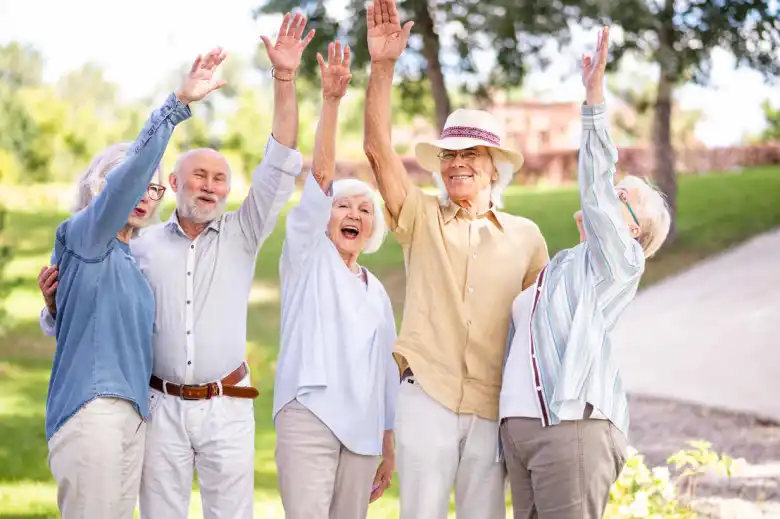


June is Elder Empowerment Month by Alyse Schroeder

June is Elder Empowerment Month — And Ashland County Has a Lot to Celebrate!

There’s something special about sitting with someone who has truly lived. The neighbor who remembers when Main Street looked different. The grandmother who raised six kids on a budget, who makes your head spin with stories of how hard she worked to make ends meet. The veteran who doesn’t talk much about what he saw during his years of service, but shows up every single week to volunteer anyway. The farmer who’s not quite ready to give up working in the fields every spring and fall (and all the months in between). Ashland County is full of wonderful people like that.

For a community like ours — where older adults make up a meaningful and growing share of our population, it is especially important to highlight and celebrate June as Elder Empowerment Month. At its heart, it means recognizing that older adults are not defined by their needs — they are defined by their wisdom, their resilience, the lives they have influenced, and the lives they have built. Empowerment means removing barriers, fostering connection, and making sure every person feels seen and valued, regardless of age.

One of the greatest barriers older adults face is isolation — and it is more common than most people realize. Research consistently shows that loneliness among older adults is linked to feelings of depression, anxiety, and even poorer physical health outcomes. When people feel invisible, it can affect everything. The good news is that connection is something every one of us can offer, and even small moments of genuine engagement can make a real difference in someone’s life.

Elder empowerment doesn’t require a big gesture. For younger people, it might look like a phone call to a neighbor who lives alone. It might mean asking a family member to share a story, go through old pictures, or teach you a “secret recipe.” Or sometimes, it’s as simple as slowing down long enough to have a real conversation with someone, to truly stop and listen. If you’re an older adult looking for ways to get more active and social this month, click the link below for a calendar of fun events to help celebrate. For a list of additional events, contact the Council on Aging at 419-281-1477.

The Mental Health and Recovery Board of Ashland County is committed to supporting the wellbeing of older adults in our community — not just by funding services, but by helping to build a community where every person, at every age, feels like they matter. Because they do.


-If you are experiencing a mental health emergency, call Appleseed Community Mental Health Center’s 24/7 crisis hotline at 419-289-6111. For questions related to mental health and/or alcohol and drug problems, call the Mental Health and Recovery Board of Ashland County at 419-281-3139. For questions about community resources, call 211. The Board proudly funds a network of mental health and addiction services provided by Appleseed Community Mental Health Center, Catholic Charities of Ashland County, and the Ashland County Council on Alcoholism and Drug Abuse.

Receive Updates

If you would like to keep up-to-date on our upcoming events and receive our Newsletter, please fill out the form below!

Ask a Question

Please provide the following information and a member of our team will be in touch with you shortly.